Most families don’t reach out for help right away. They try to manage it quietly first — hide the drinking, cover for the missed work days, hope things get better on their own. Usually they don’t. By the time someone finally walks into a Nasha Mukti Kendra the addiction has often been going on for years, not months.
So what actually changes once someone gets there? Quite a lot, honestly. Here’s a real look at how these centers work and why they tend to succeed where home remedies and willpower alone fail.
What Exactly Is a De-Addiction Center?
At its core, a de-addiction center is a medical and psychological support system built around one goal: helping someone stop depending on alcohol, drugs, or other substances — and stay stopped. It’s not a jail, and it’s not just a place to “dry out” for a few weeks either.
Good centers run on a mix of doctors, psychiatrists, counselors, and support staff who’ve usually seen hundreds of cases before. They know addiction isn’t a character flaw. It’s a medical condition that hijacks brain chemistry, and treating it that way — rather than shaming someone out of it — is what actually works.
Why Do Families Wait So Long?
Stigma plays a huge role here, especially in India. Nobody wants the neighbors to know. So families try prayers, home confinement, threats, sometimes even physical restraint. None of it addresses the actual biology of addiction.
By the time professional help enters the picture, withdrawal symptoms are worse, relationships are more damaged, and the person’s health has usually taken a real hit. Catching the warning signs early — mood swings, withdrawal from family, unexplained money troubles, physical decline — and acting on them sooner rather than later can cut months off the recovery timeline.
What Actually Happens During Treatment?
There’s no single formula, but most reputable centers follow a similar arc. Here’s roughly how it unfolds.
Step 1: Assessment Before Anything Else
Before a treatment plan gets written, doctors need to understand what they’re working with — physical health, mental state, how long and how severe the addiction has been. Skip this step and you’re basically guessing.
Step 2: Medical Detox
This is usually the roughest part, physically speaking. The body has to clear out what it’s been dependent on, and withdrawal can get ugly — tremors, nausea, anxiety, sometimes worse. Doing this without medical supervision isn’t just uncomfortable, it can genuinely be dangerous. This is exactly where structured drug addiction treatment earns its keep.
Step 3: Counseling and Therapy
Once the body stabilizes, the harder work starts — the mental and emotional side. This usually includes:
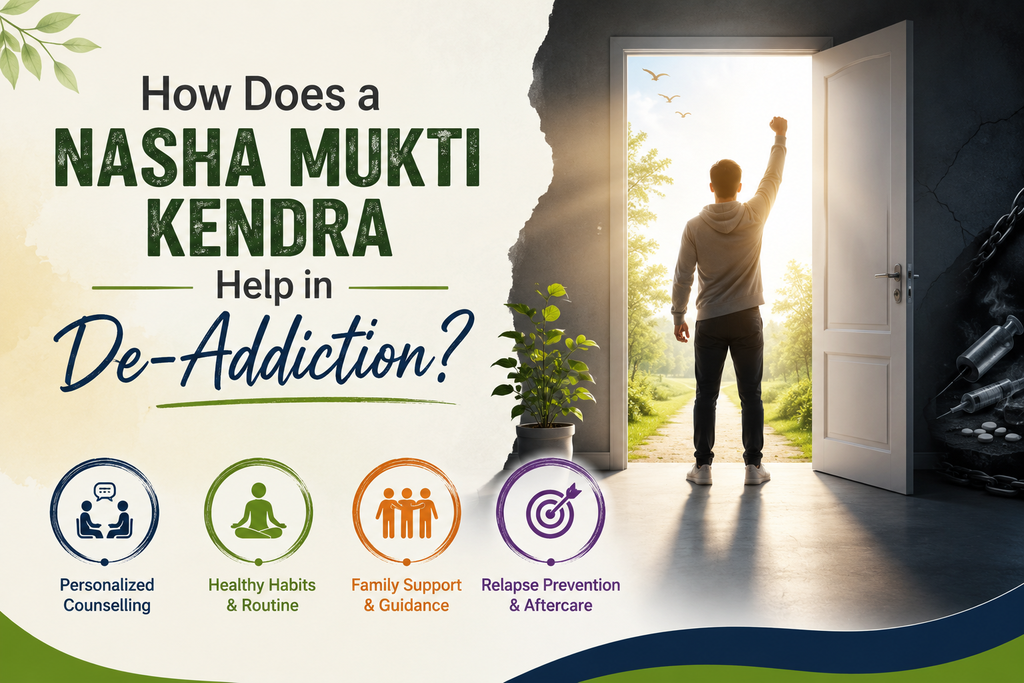
- One-on-one counseling to unpack what’s driving the addiction
- Group therapy, because hearing “me too” from someone else changes things
- Cognitive behavioral therapy to break the thought loops that lead back to substance use
- Family sessions, since a lot of recovery depends on what happens at home
Step 4: Rebuilding a Life, Not Just Sobriety
Quitting a substance is only half the job. The other half is figuring out who someone is without it. Yoga, meditation, vocational training, daily structure — these aren’t filler activities, they’re what fills the space addiction used to occupy.
Step 5: Aftercare
This is where a lot of programs fall short, honestly. Recovery doesn’t end when someone walks out the door. Solid centers keep following up — check-ins, alumni support groups, relapse-prevention counseling — because the first few months back home are usually the riskiest.
Willpower Alone Doesn’t Cut It — Here’s Why
There’s a persistent myth that addiction is really just a discipline problem. If the person just tried harder, wanted it enough, they’d quit. That’s not how brain chemistry works. Long-term substance use rewires the reward system, so cravings aren’t a matter of weak character — they’re a physiological response.
That’s precisely why structured alcohol addiction recovery programs tend to outperform anything attempted alone at home. They address both sides of the problem: the physical dependency and the emotional triggers that keep pulling someone back. Professional substance abuse treatment, backed by actual clinical support, simply has better odds than sheer willpower ever will.
How Do You Spot a Good Center?
Not every facility offering “treatment” is actually equipped to provide it. A few things worth checking before you commit:
- Licensed doctors and psychiatrists on staff, not just “counselors”
- Individual treatment plans, not a one-size-fits-all schedule
- Clean, safe living conditions — go see it yourself if you can
- Honesty about timelines and outcomes; run from anyone promising an “instant cure”
- Family involvement built into the program
- A real aftercare plan, not just a discharge form
If a place is cagey about answering these questions, that tells you something.
Conclusion:
Getting someone into treatment is usually the hardest part — harder than the treatment itself, in a lot of ways. A well-run facility doesn’t just get someone off a substance; it helps rebuild the health, relationships, and sense of direction that addiction quietly erodes over time.
Recovery isn’t a straight line, and setbacks happen even in the best programs. What matters is having people — medical staff, counselors, family — who help someone get back up instead of writing them off after one slip. That ongoing support is really the whole point of a dedicated rehabilitation center: not a quick fix, but a long-term partner in getting someone’s life back.
If someone you love is struggling, don’t wait for rock bottom to get lower. Reach out to a trusted treatment facility now — the sooner it starts, the easier the road tends to be.