The best nasha mukti kendra is one with qualified medical staff, a personalised treatment plan, a clean and safe environment, therapy beyond just detox, proper aftercare, and full confidentiality. Visit if possible, ask direct questions, and trust a centre that answers honestly.
Choosing rehab for a loved one is hard. It’s emotional, urgent, and confusing all at once. This guide breaks it down into simple, practical points so you can decide with confidence.
Check Who Is Treating the Patient
Addiction is a medical condition. Treatment should be led by qualified people.
Look for:
-
- A psychiatrist or physician overseeing detox
-
- Trained counsellors for therapy
-
- Nursing staff available round the clock
If a centre can’t clearly name who’s on their team, that’s a red flag.
Look for Individualised Treatment, Not a One-Size-Fits-All Program
No two people struggle with addiction in the same way. Someone recovering from alcohol dependence needs a different approach than someone dealing with heroin withdrawal or a dual diagnosis involving mental health. A good rehabilitation centre will assess the person first — physically and psychologically — before building a treatment plan around detox, therapy, and long-term recovery goals. Be cautious of any centre that promises a fixed, identical program for everyone who walks through the door.
Treatment Should Be Personalised
No two people recover the same way. A good centre assesses the patient first — physically and mentally — then builds a plan around them.
Be cautious of centres offering one fixed program for everyone.
The Environment Matters
Recovery isn’t only medicine. It’s also the space around it.
A good facility offers:
-
- Clean, safe living areas
-
- Proper nutrition
-
- Daily structure and routine
Visit in person, or ask for a video walkthrough before deciding.
Start With Medical Credibility, Not Marketing Claims
Addiction is a health condition, not a personal weakness. That means the centre you choose should be run by people qualified to treat it — psychiatrists, physicians, trained counsellors, and nursing staff who understand withdrawal, detox risks, and the psychological side of recovery. Before you commit, ask a simple question: who is actually on the treatment team? A centre that can answer clearly, with real names and qualifications, is one worth considering.
Look for Therapy Beyond Detox
Detox alone rarely leads to lasting recovery. Strong programs also include:
-
- Individual and group counselling
-
- Yoga and meditation
-
- Life-skills training
This is what most people mean when they search for a well-rounded nasha mukti kendra — one that treats the person, not just the symptoms.
Ask About Aftercare
Ask specifically:
-
- Is follow-up counseling included?
-
- Is family support offered?
-
- Can the patient reach out later if needed?
Aftercare is often what separates short-term results from long-term recovery.
Check the Environment Where Recovery Will Happen
Recovery doesn’t happen only through medication and therapy sessions. It also happens through the everyday environment — clean living spaces, nutritious food, a sense of safety, and daily structure. Visit the facility if you can, or ask for photos and a walkthrough. Notice whether it feels like a place where someone could genuinely rest and heal, not just a clinical holding space.
Confidentiality Should Be Non-Negotiable
Stigma stops many families from seeking help. A trustworthy centre protects patient privacy at every step — from the first phone call to treatment records.
If a centre feels rushed or judgmental on your first call, that’s worth noticing.
Read Real Experiences, Not Just Ratings
Testimonials and direct references from past patients’ families reveal more than star ratings. Ask if you can speak to someone who has already been through treatment there.
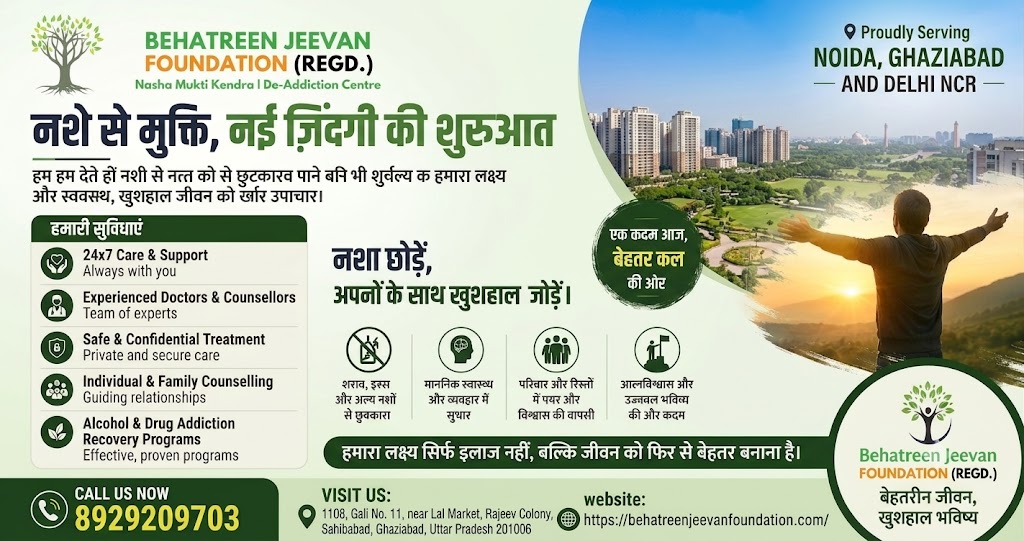
About Behatreen Jeevan Foundation
Behatreen Jeevan Foundation has worked with families across Delhi NCR for over nine years. Our approach combines qualified medical care, therapy, yoga, and life-skills training with genuine aftercare support — because recovery works best when patients feel safe, respected, and never rushed.
If you’re comparing options right now, we offer a confidential, no-obligation consultation to help you understand the right next step for your family.
Frequently Asked Questions. (FAQs)
How can I identify a genuine Nasha Mukti Kendra?
A genuine centre explains its treatment process clearly, shares staff qualifications, and discusses aftercare openly. It answers your questions honestly and maintains transparency.
Is it normal to feel confused when choosing a rehab centre?
Yes. Many families feel unsure in the beginning. Visiting a few centres and asking simple questions can help you make a confident decision.
Does aftercare help prevent relapse?
Yes. Regular follow-up sessions, counselling, and family support after treatment can improve the chances of long-term recovery.
How long does treatment at a Nasha Mukti Kendra take?
The duration depends on each person’s condition. Most treatment programs last between 30 and 90 days.
Will my personal information remain confidential?
Yes. A trusted Nasha Mukti Kendra keeps patient information private and only shares details with family members when proper consent is given.